An entrance door meets weather, hands, keys, and daily routines. The right choice should feel dependable, look at home, and suit the building’s climate. An Aluminum Residential Door can offer a clean profile and strong structure without the weight of many traditional materials. Its slim frame may also allow more glass and daylight.
Building-science expert Dr. Joseph Lstiburek’s work emphasizes managing air and moisture at the building enclosure. A practical paraphrase of that principle is: “A door performs as part of the whole opening, not as an isolated panel.” That distinction matters. Even a well-made aluminum door can disappoint if its frame, seals, threshold, or installation are poorly matched. Ask about thermal breaks, weatherstripping, finish warranties, and local service. Details count.
Aluminum resists rust, but its finish and hardware still need care. Thermal performance varies by design, and a thermally broken frame is worth considering in climates with sharp temperature swings. On a rainy afternoon, a tight seal and properly sloped threshold matter more than a showroom photograph. Looks are not everything.
There is a trade-off: some aluminum doors cost more than basic alternatives, and quality varies between manufacturers. Compare specifications, not just color samples. A small flaw in the product information can be a reason to pause and ask questions. With sound construction and careful installation, an Aluminum Residential Door can provide durable everyday service and a contemporary entrance.
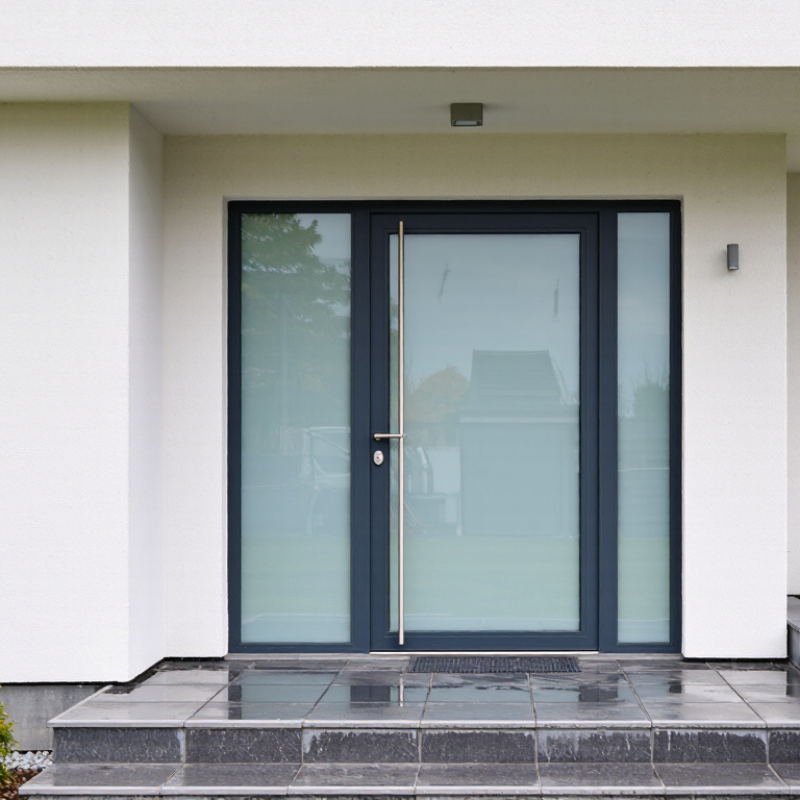
An aluminum residential door is a complete entry system, not just a metal panel. It typically includes an aluminum frame, door leaf, hinges, locking hardware, and weather seals. Some designs add glass panels or sidelights. The frame’s profile and construction affect strength, sightlines, and insulation. Small details matter.
Aluminum conducts heat readily, so a quality exterior door often uses a thermal break between the inner and outer frame sections. This reduces heat transfer, though actual performance also depends on glazing, seals, and installation. Ask for tested performance information rather than judging by appearance alone. A narrow frame can admit more daylight, but it may not suit every opening or design preference.
The finish is usually a durable coating that helps resist weathering and fading. Clean it with mild soap and water, and check the seals and hardware periodically. Fit matters, too. A poorly aligned door can drag, leak air, or fail to latch smoothly, regardless of the material. On site, measure the opening carefully and confirm that the installer accounts for drainage and the surrounding wall. Aluminum can be a practical choice, but insulation needs and local climate deserve a closer look.
An aluminum residential door begins as an alloy billet, heated and pressed through a shaped die. This extrusion forms profiles for the frame and sash. Fabricators cut them to size, machine drainage paths, and join the corners. A thermal-break strip, often polyamide, separates the inner and outer aluminum surfaces. It helps reduce heat transfer, though the full door’s performance also depends on glass, seals, and installation.
The International Aluminium Institute reports that recycling aluminum uses about 95% less energy than producing primary metal. Recycled content can therefore matter when comparing specifications, but ask how it is verified. Details matter. Profiles may receive powder coating or anodizing, then workers fit glazing, gaskets, locks, and hinges. Glass options include double glazing and low-emissivity coatings; the right choice depends on climate, orientation, and comfort goals.
Configuration starts with the opening: measure width, height, wall depth, and threshold conditions. Choose swing direction, panel count, glazing area, and hardware before ordering. A wide glazed panel can bring in daylight, but may need stronger glass and careful support. A beautiful sample can still disappoint if the frame, seals, or installation are poorly matched. Review the product’s tested thermal and air-leakage data, not just its finish.
Aluminum doors offer a slim, rigid frame that can support broad glass panels without bulky sightlines. Their strength helps resist everyday knocks and frequent opening. Powder-coated finishes also reduce routine upkeep: a damp cloth usually handles dust and fingerprints. Performance still depends on the complete door assembly, not just its frame. Look for tested ratings for air leakage, water penetration, and structural pressure.
Thermal performance needs closer attention. Aluminum conducts heat readily, so a well-designed thermal break helps limit heat transfer between the indoor and outdoor frame surfaces. Check the door’s whole-unit U-factor and weather seals before comparing models. The International Aluminium Institute reports that recycling aluminum uses about 95% less energy than producing primary aluminum. That is useful lifecycle context, but it does not guarantee a particular door has a lower overall footprint. Glass type, coatings, fabrication, and transport matter too. Easy to miss.
Tips: Ask for test documentation, inspect the corner seals, and check that the threshold fits your flooring. A strong frame can still feel drafty if installation leaves gaps. That detail is worth a second look.
Why Choose Aluminum Residential Doors for Your Home?
Aluminum residential doors can complement many home styles because their frames are available in varied profiles, colors, and configurations. Slim frames suit contemporary façades, where broad glass panels bring in daylight and keep views open. For a traditional home, a darker finish or divided glazing can echo existing window details without copying them exactly. Small details matter.
A modern farmhouse may look balanced with a simple frame, warm-toned finish, and clear glass beside a timber porch. On a brick or stone home, muted charcoal or bronze can sit more quietly than bright white. Aluminum can also be finished in colors that coordinate with trim, railings, or garage doors. The match is not always obvious. View samples outdoors, since sunlight can make a finish look different from a showroom display.
For a compact entry, a single door with a narrow glazed sidelight can add light without overwhelming the façade. Wider openings may work with paired doors or sliding configurations, depending on space and layout. Check how the door swings, where furniture sits, and whether the glass needs privacy screening. A design that looks striking in a photograph may feel too stark beside older materials. That tension is worth considering before choosing a finish or frame profile.
| Home Style | Door Design | Frame and Finish | Glazing Options | Design Details | Practical Consideration |
|---|---|---|---|---|---|
| Modern | Simple single or pivot-style entry door with clean, uninterrupted lines | Slim-profile aluminum frame in matte black, charcoal, or a neutral finish | Large clear or lightly tinted panels; privacy glass can be used where needed | Minimal trim and a long, simple pull handle complement an uncluttered façade | Confirm that the door system, glazing, seals, and installation are suited to the local climate and energy requirements. |
| Contemporary | Full-lite or partial-lite door, optionally paired with fixed sidelights | Dark or light powder-coated finish to coordinate with windows and exterior accents | Clear, frosted, or patterned glass balances daylight with privacy | Asymmetric glazing or a contrasting handle can add interest without elaborate ornament | Glass selection affects privacy, daylight, and heat gain; choose glazing based on orientation and room use. |
| Traditional | Panel-style door with balanced proportions and a more substantial appearance | Aluminum frame in a muted tone or a finish designed to coordinate with the home’s trim | Small upper glass panels or decorative glazing can preserve a traditional look | Raised-look panels, divided-light patterns, and classic hardware help echo familiar details | Aluminum can provide a traditional appearance, but its panel profiles differ from those of solid wood doors. |
| Craftsman | Door with a clear upper glazing area and a solid-looking lower section | Warm neutral, deep green, or another finish that complements natural exterior materials | Textured or divided glazing can suit the style while admitting daylight | Simple rectangular patterns and understated hardware work well with prominent trim | Check that the chosen frame proportions and glazing layout fit the home’s existing entry surround. |
| Coastal | Bright, welcoming entry door with a large glass area or coordinating sidelights | Light, white, or soft-colored finish; select a coating appropriate for the site conditions | Clear or privacy glass, depending on the entry’s exposure and sightlines | Clean lines pair naturally with light façades, simple trim, and open interiors | Near salt air, ask about finish suitability and maintenance guidance; exposure and product specifications matter. |
| Industrial-Inspired | Rectangular glazed door with pronounced, grid-like divisions | Dark aluminum frame that emphasizes the geometric pattern | Multiple clear or privacy-glass sections, subject to the door system’s design | Strong vertical and horizontal lines coordinate with brick, concrete, or metal details | Confirm the design meets applicable safety-glazing requirements for the door’s location. |
Choosing an aluminum residential door involves more than comparing frame colors. Start with your local weather and the door’s position. A west-facing entrance may receive strong afternoon sun, while a sheltered porch stays cooler. Ask whether the frame includes a thermal break, which helps limit heat transfer. Check the glass specification too; clear, double-glazed, or low-emissivity glass can affect comfort and daylight. Measure the opening carefully, including wall depth and threshold height. Small measurement errors can complicate installation.
Tips: Visit a showroom if possible. Open and close the sample door. Check the lock, hinges, and weather seals. Ask how often the finish needs cleaning, especially near salty coastal air.
Compare the complete door system, not just the aluminum frame. Look for clear details about drainage, insulation, hardware, and warranty coverage. A sturdy door can still perform poorly if it is fitted out of square or sealed badly. Request installation details and confirm who handles adjustments later. There is no perfect choice for every home. A slim frame may bring in more daylight, but it can change the door’s thermal performance. That trade-off is easy to miss when focusing only on appearance.
A key factor to consider is heat transfer through the frame material. The chart compares approximate thermal conductivity values for common materials.
Higher conductivity means heat passes through the material more readily. Aluminum frames can benefit from thermal breaks; actual door performance also depends on glazing, seals, construction, and installation. Values are approximate material-level figures and vary by alloy, wood species, and conditions.
It usually includes an aluminum frame, door leaf, hinges, locking hardware, and weather seals. Some models include glass panels or sidelights.
Aluminum transfers heat readily, so exterior doors often use a thermal break. Check the whole-door U-factor, glazing, and seals. The frame alone tells little.
Consider local weather, door orientation, glass type, wall depth, and threshold height. Measure carefully. Small errors matter.
Its rigid, slim frame can support broad glazing with narrow sightlines. More glass may bring in daylight, but comfort also depends on the glass specification.
Clean the finish with mild soap and water. Check seals and hardware periodically, especially after harsh weather. Usually simple.
Ask for tested air-leakage and water-penetration ratings. Inspect corner seals and drainage details. A poor installation can still cause problems.
Recycling aluminum uses far less energy than producing primary aluminum. But glass, coatings, fabrication, and transport also affect a door’s overall footprint. Worth considering.
Confirm the opening measurements, threshold fit, drainage, and wall sealing. The door should sit square and latch smoothly. Appearance can distract from fit.
An Aluminum Residential Door combines a lightweight frame with the strength and durability needed for everyday home use. It is typically made by shaping aluminum sections into a frame and configuring them with suitable panels, glazing, seals, and hardware. The result can be tailored to different openings and practical needs, from welcoming entryways to doors that connect indoor and outdoor spaces.
Homeowners may value aluminum for its resistance to corrosion, relatively low maintenance, and ability to support slim profiles that bring in natural light. A wide range of colors, finishes, glazing choices, and panel designs makes it adaptable to traditional and contemporary homes. Before choosing a door, consider the opening size, local climate, insulation and security requirements, maintenance preferences, budget, and how the style will complement the home. Comparing these factors helps ensure the door balances appearance, comfort, and long-term performance.